
Oxeye: Seasonal British Flavors in London
Sven-Hanson Britt builds menus around seasonal clarity and rigorous technique. The approach privileges British producers while welcoming international methods that amplify local taste. Plates are conceived to highlight provenance, texture and acidity, with savoury balance prioritized over ornament. Hospitality focuses on steady pacing, clear explanations and courses that invite sharing. At Oxeye, the central promise is consistent quality: ingredients must be traceable, cooking must respect intrinsic flavours, and every dish must translate a moment in the British growing year.
Seasonal Ingredients, Sourcing, and Sustainability
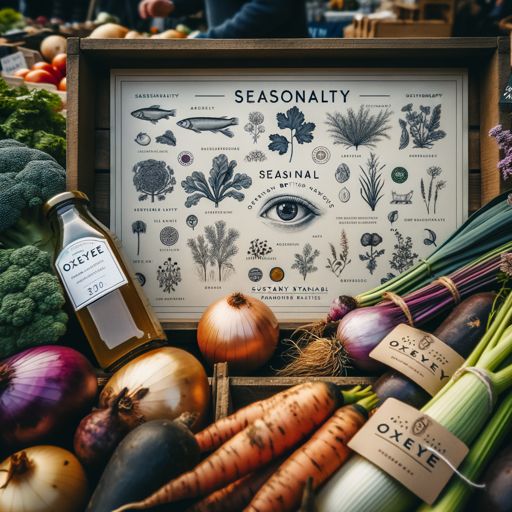
Oxeye's kitchen sources from markets and farms within a 150-mile radius of Embassy Gardens in Nine Elms, Vauxhall. Key partnerships include specialty fish landed in Cornwall and Whitstable for oysters, butchers working with RSPCA-assured flocks in East Anglia, and vegetable growers in Essex and Kent who follow soil-first cultivation. Seafood decisions follow Marine Stewardship Council guidance and local choke-point seasons to avoid overfishing. Bread is produced daily using British flour from the Stoneground Mills in East Sussex when available, fermented for 24 hours to increase digestibility. Sustainability practices extend beyond ingredients: on-site anaerobic composting captures organic waste, and menu development tracks carbon intensity by ingredient to steer selections toward lower-impact proteins and more root vegetables during winter. Staff receive training on provenance stories so front-of-house can relay sourcing narratives that matter to guests.
Signature Dishes, Techniques and Pairings
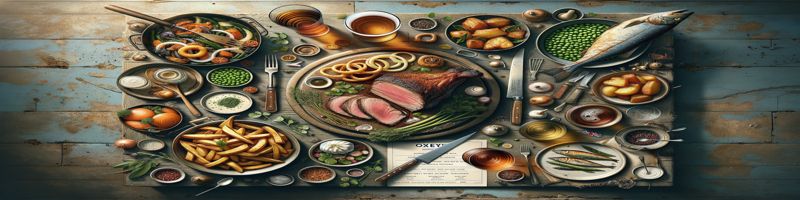
A signature dish at Oxeye emerges from an ingredient's seasonal apex, a technique that elevates texture, and a pairing that frames the experience. Signature starters lean vegetable forward during late spring and autumn, with warm preparations when temperature demands. Seafood plates emphasize shellfish and whole-fish roasting rather than filleting, preserving natural brine and connective tissues. Game mains use slow braise and precise resting to temper stronger flavours while keeping accompaniments restrained.
Below are representative offerings aligned to seasons, cooking method, pairing and approximate price band. This set illustrates the restaurant’s rotation logic and sensory aims.
| Dish name and category | Seasonal window | Key British ingredients | Technique and sensory goal | Suggested pairing (alcohol and non-alcoholic) | Price band |
|---|---|---|---|---|---|
| New potato vinaigrette, wild garlic oil (starter) | April–May | Jersey new potatoes, foraged wild garlic (Surrey) | Steam, quick toss in warm vinaigrette to preserve snap and creaminess | Light English sparkling, cucumber soda | £8–12 |
| Cornish crab with brown butter and kelp (seafood) | June–September | Cornish brown crab, Isle of Wight kelp | Cold pickle, brown-butter emulsion to introduce toasted notes | Dry white from Dorset, lemon verbena tonic | £14–18 |
| Roasted partridge, barley conserva, roasted beetroot (game) | October–January | Partridge (East Anglia), heirloom beetroot | Dry-age on rind, high-heat roast, conserve barley for mouthfeel | Medium-bodied English Pinot Noir, blackcurrant shrub | £22–28 |
| Celeriac two ways, smoked yogurt, toasted seeds (vegetarian) | November–March | Celeriac (Kent), smoked sheep’s yogurt | Roast and purée contrast, smoked yogurt for umami | Barrel-aged cider, smoked tea infusion | £10–14 |
| House sourdough, cultured butter, seaweed salt (side) | Year-round | Stoneground flour, cultured butter (Somerset) | Long fermentation, crunchy crust for texture contrast | Ale or mineral water | £4–6 |
| Sticky toffee with Yorkshire cream and candied orange (dessert) | Year-round | Maldon sea salt, free-range eggs (Yorkshire) | Low-temperature caramel, controlled moisture | Tawny port, spiced apple press | £7–10 |
Techniques emphasized include low-temperature roasting to retain juices, rapid pickling to create acid counters, controlled smoking for subtle depth, and high-hydration baking to enhance shelf life and chew. Plating prioritizes height and negative space, with sauces brushed to guide the eye and palate. Sensory design considers aroma as entry point, textural contrast as central pleasure, and finish as the lasting memory a guest carries.
Global influences arrive through method rather than mimicry. Japanese salt curing informs seafood seasoning; North African preserved lemon techniques appear in dressings; Scandinavian charcoal and fermentation inform winter vegetable treatments. This cross-pollination keeps dishes contemporary without compromising British character.
Pairings emphasize English producers: sparkling wines from Sussex and Hampshire, ciders from Somerset and Herefordshire, and small-batch English spirits. Non-alcoholic options follow the same provenance care: herbal infusions sourced from British farms, pressed apple and seaweed tonics, and house-composed shrubs.
Tasting sequences at Oxeye are arranged around a seasonal signature, building from lighter seafood and vegetables to concentrated meats, then a palate-cleansing interlude and a dessert that reflects a British sweet tradition with restrained sugar. Specials and collaborative dinners are hosted monthly and often feature visiting producers or single-origin ingredient spotlights. Staff training focuses on recipe standardization, allergen management, and storytelling so preparation is repeatable and guest dialogues are informative. Recipes for home cooks appear as technique-led notes rather than exact replication, encouraging long ferments and temperature control.
Press reception has noted the clarity of Oxeye's seasonal focus and the strength of Sven-Hanson Britt's technique, with local food critics praising the restraint and provenance transparency. Guest feedback drives iterative tweaks; popular starter flavors can migrate into mains as the season progresses. Future directions include expanded plant-forward menus, longer tasting sequences for weekend service, and deeper micro-producer collaborations that will further anchor Oxeye in Embassy Gardens while keeping the menu unmistakably British in spirit and globally literate in craft.